SafeWork NSW Just Told You What It Will Inspect. Can You Prove It?
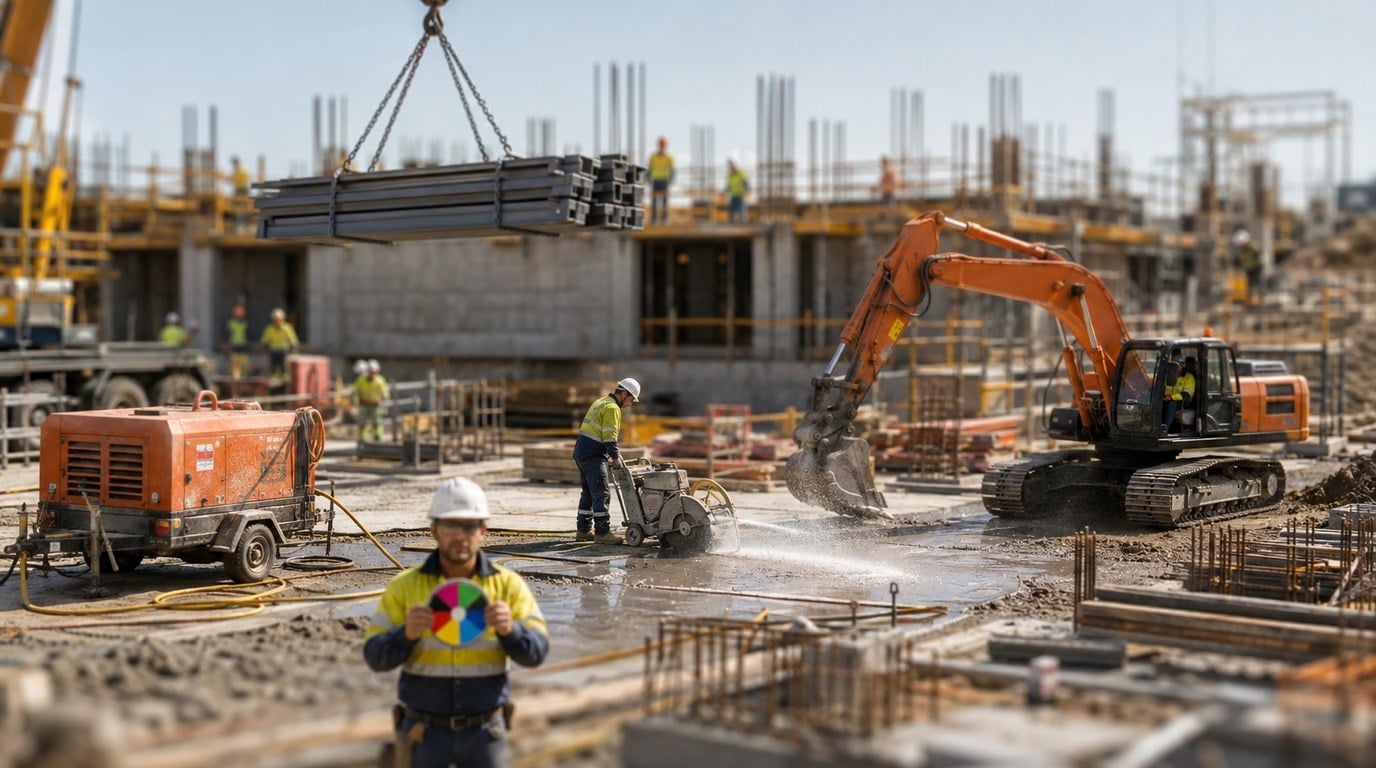
Falls, psychosocial risk, hazardous substances and mobile plant: the four hazards SafeWork NSW will be inspecting for in 2026-27.
On 1 July, SafeWork NSW released its 2026-27 Regulatory Statement. It is not breaking news, and I am not going to pretend it is. It is something better. It is the plan for the financial year you are currently in, published by the people who will be knocking on your door during it.
Most businesses will never read it. That is a mistake, and here is why: a regulator that publishes its priorities has effectively written your internal audit programme for you. For once, you are not guessing at scope. You are being handed it.
The four priorities, and the numbers behind them
SafeWork NSW named four priority areas for 2026-27:
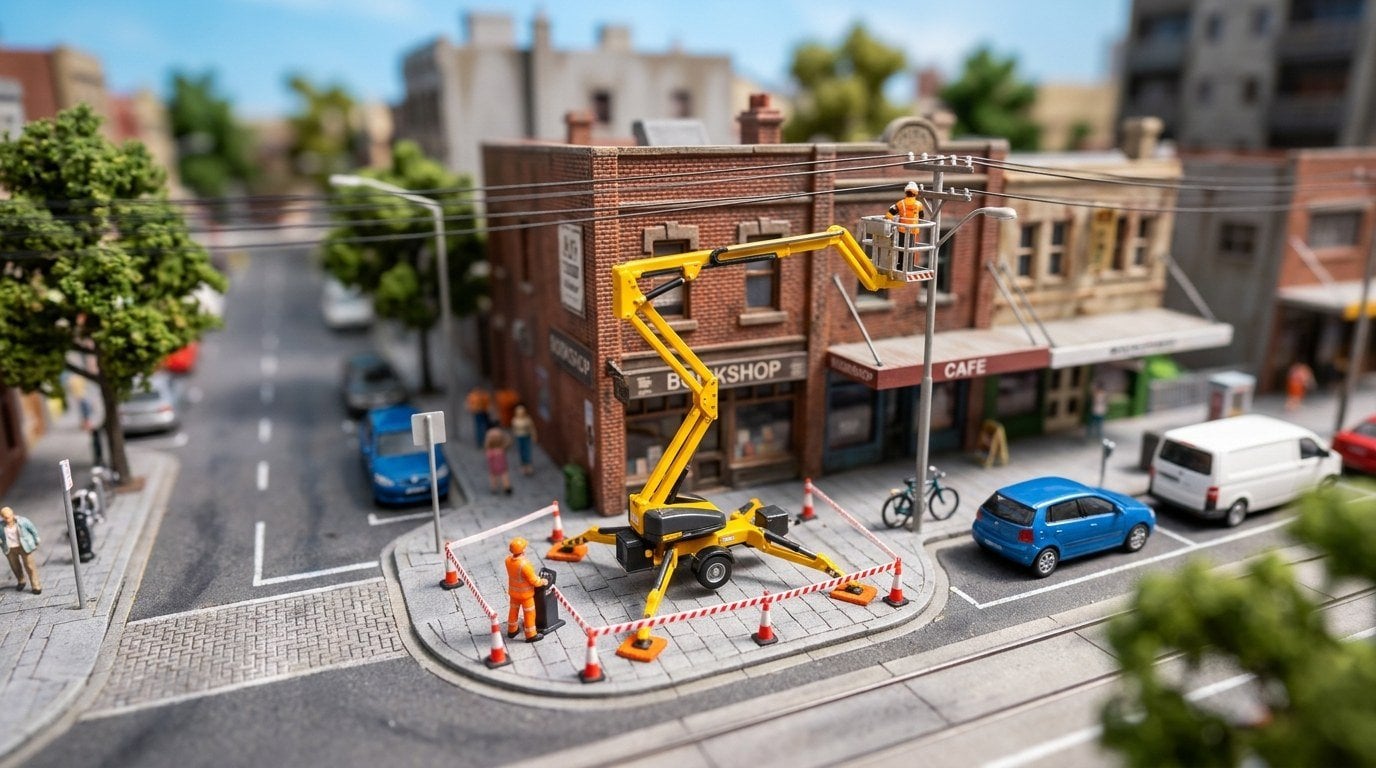
Falls from heights. In the past 12 months: over 600 incidents reported to SafeWork NSW, including five fatalities.
Psychosocial risks. More than 2,200 requests for service and over 190 notified workplace incidents.
Hazardous substances. More than 145 silica-related notices issued by inspectors, and over 45 reported silicosis cases.
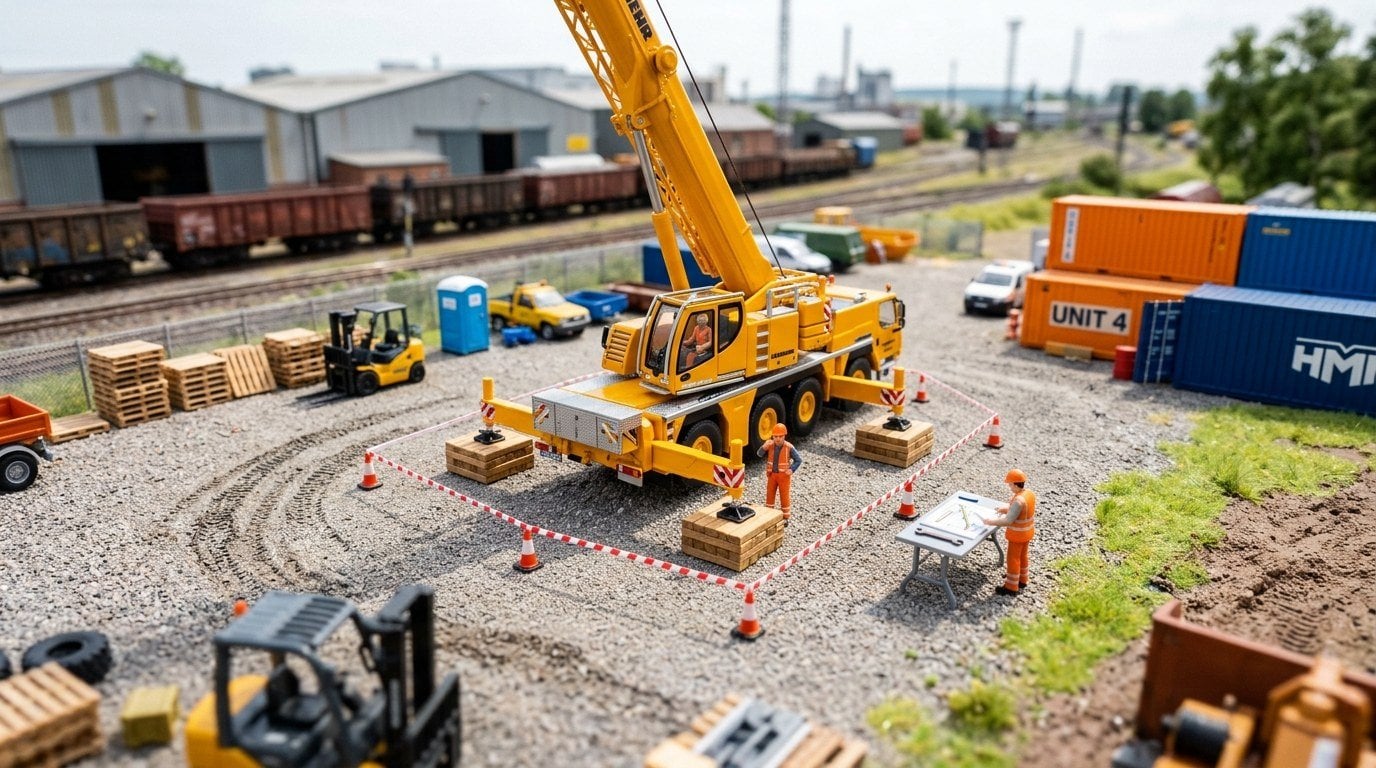
Mobile plant, vehicles and fixed machinery. More than 500 incidents and eight fatalities.
Read those numbers again, slowly. Thirteen people did not come home, across two of the four categories alone. This is not a compliance abstraction.
The line in the release that matters most
Buried in the Commissioner’s remarks is the sentence I would put on the wall of every NSW safety committee room. Janet Schorer notes that since SafeWork became a standalone regulator, “we’ve not seen much of a change in our regulatory priorities between 2025/26 and 2026/27”, and then draws the conclusion herself: it is important for businesses in those priority areas “to think really seriously about their work health and safety in terms of what is working well and what needs to be improved.”
That is a regulator saying, in the politest possible language: we have not moved. Why haven’t you?
Two years of stable priorities is not a sign that the problem is under control. It is a sign that the same four hazards keep killing people, and the regulator has stopped changing the subject. If your safety plan for this year does not visibly address all four, you are not aligned with the environment you actually operate in.
Why this lands harder in 2026 than it would have in 2024
One thing has changed, and it changes everything about how this statement should be read. In NSW, codes of practice are now legally enforceable, and an inspector no longer needs an incident to act. I have written that case out in full elsewhere and I will not repeat it here. Read it if you have not.
But put the two documents side by side and the picture is unambiguous. The law now lets an inspector enforce a code without waiting for someone to be hurt. And the regulator has just published which four topics it intends to look at. “We’ve never had a problem” was always a weak defence. It is now not a defence at all.
Note too where the money went: a $127.7 million funding boost to expand the psychosocial inspectorate and stand up a Psychosocial Advisory Service. Regulators do not fund inspectorates they do not intend to use. And the Silica Worker Register, established 1 October 2025, has already added more than 15,000 workers. Registers of that size are built to be cross-referenced.
Free download: Codes of Practice compliance register
SafeWork NSW has published the hazards it intends to inspect. The next question is whether you can show which codes cover those hazards and how you meet each one. Our free register gives you a sheet per jurisdiction, with the code named and the requirement summarised, and columns for how you address it, who is responsible, when it was last reviewed and when it is next due. It is built against ISO 45001 clause 9.1.2, evaluation of compliance, which is the clause that asks you to check rather than simply list.
Turning the Regulatory Statement into an audit scope
Here is the practical part. Four priorities, four questions. In each case the question is not “do we have a control?” Everyone has a control. The question is what evidence would survive an inspector who has already decided this is a priority.
1. Falls from heights
Can you produce, for a job you did last month, the record showing why you chose the control you chose? Not a generic policy. The actual decision. The hierarchy of control is where fall audits collapse: almost everyone jumps straight to a harness, and almost nobody can show why elimination or a passive fall-prevention device was ruled out first. That reasoning is the evidence. If it was never written down, it does not exist.
2. Psychosocial risks
Do you have a psychosocial risk register, and can you name the last hazard you added to it and the control you implemented in response? This is where I find the widest gap between paper and practice. Organisations produce a wellbeing policy and an EAP brochure. Neither is a control, and neither is a risk assessment. The regulator has funded an entire inspectorate for this. Assume they can tell the difference.
3. Hazardous substances
Is your chemical register current, and does air monitoring and health monitoring actually match the exposures you have? The silica numbers, 145 notices and 45 silicosis reports, are not a warning of a future campaign. They are the report card of one that is already running. If silica is in your work and you are not on the Silica Worker Register when you should be, that is a very short conversation with an inspector.
Worth adding to that question: the national exposure limits themselves change on 1 December 2026, and the list your air monitoring was baselined against is about to be superseded. We have written up what changes in the new workplace exposure limits, including the one substance most people assume is changing and is not.
4. Mobile plant, vehicles and fixed machinery
Can you show separation of people from plant, physically, not procedurally? Traffic management plans are the most-drawn, least-followed documents in Australian industry. Walk the site and compare it to the plan. If they diverge, the plan is not a control, it is a defence exhibit against you. Then check competency and maintenance records for every plant item on that plan.
An internal audit scoped to the regulator’s four priorities
This is the cleanest case for a clause 9.2 internal audit you will ever get, because for once you are auditing to a scope the regulator wrote for you. We can run it independently, against the four SRS priorities, and give you the honest answer before an inspector does.
I will be direct, because the alternative is worse for you. The people who run a hazard are the worst possible people to audit it. Not through dishonesty, but through familiarity. You stop seeing the ladder leaning against the scaffold because it has been there for three years and nothing has happened. An auditor who has never seen your site sees it in eight seconds.
ISO 45001 clause 9.2 requires internal audits conducted with objectivity and impartiality. If you are certified, you already have to do this. The only real decision is whether you spend that audit checking the boxes nobody is looking at, or spend it on the four things the regulator has just announced it is looking at.
If you are not certified, none of this changes your duty. The WHS Act does not care whether you hold a certificate. It cares whether you eliminated the risk so far as is reasonably practicable, and whether you can prove it. If you are considering ISO 45001 certification, the SRS is as good a reason to start as any: it tells you precisely what a mature system needs to be able to demonstrate.
If you operate outside NSW
The Regulatory Statement is NSW-specific and I am not going to over-generalise it. But the four hazards it names are not parochial. Falls, psychosocial risk, hazardous substances and mobile plant are national killers, and every state regulator publishes something equivalent. If you run sites across multiple jurisdictions, the sensible move is to audit to the strictest of them and be done. Managing four different standards of care across four states is how things get missed. Our guide to codes of practice by jurisdiction is the place to start.
The bottom line
The regulator has told you where it will be. It has funded the inspectorate. It has been handed the power to act without waiting for an incident. And it has said, in the Commissioner’s own words, that its priorities are not moving.
You now have a full financial year and a published scope. There is no version of this where “we didn’t know what they’d look at” is available to you.
Talk to us
We run independent internal audits and gap analyses against ISO 45001 and against the hazards your regulator has actually named. You deal directly with an experienced lead auditor, not a template.
General guidance only. This article is general information, not legal, financial, safety or compliance advice, and it does not take account of your specific circumstances. Streamline ISO Consultants are ISO management-system consultants, not lawyers or licensed advisers. Standards, laws and regulator guidance change, and details were correct only at the time of writing. Always seek professional advice before acting. See our full Disclaimer.
Stay in the Loop
Get an email when we post an article. Your email address will not be used for marketing, and you can unsubscribe at any time.
Om nom nom... COOKIES! The essential ones keep our site working, and a few others help us see how it is used so we can make it better. Your call: accept the whole batch, keep it to essentials only, or pick your preferences. The full recipe is in our privacy policy.
Cookie Preferences
Manage your cookie preferences below:
Essential cookies enable basic functions and are necessary for the proper function of the website.
Name
Description
Duration
Cookie Preferences
This cookie is used to store the user's cookie consent preferences.
30 days
You can find more information in our Privacy Policy and .