222 Workers Died in 2025. Most From Hazards We Already Know How to Control.
Safe Work Australia’s latest national figures, published on 12 October, record 222 worker deaths from traumatic injuries in 2025. It is the highest annual number since 2012, and well above the five-year average of 197.
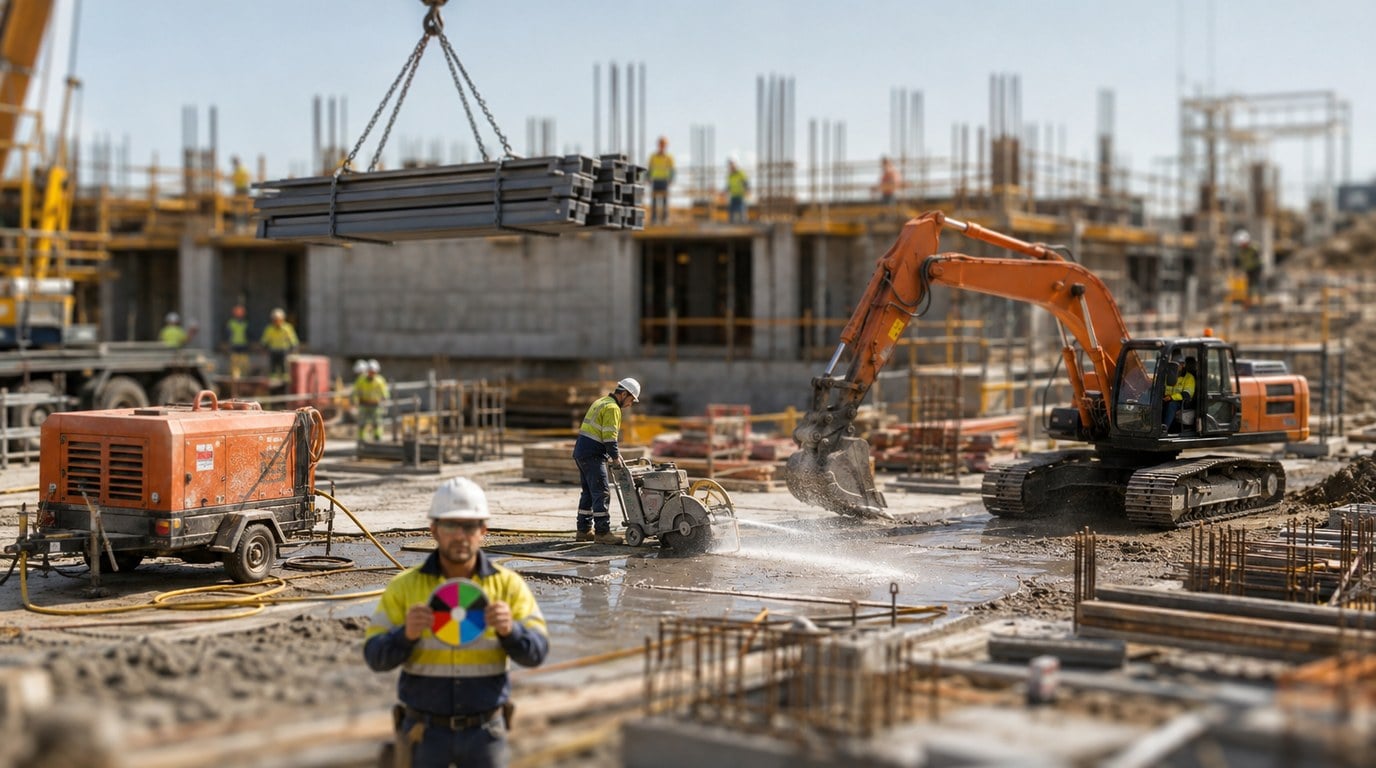
Vehicle incidents caused 41% of worker deaths in 2025. Falls from a height and falling objects were next.
The more uncomfortable finding is what killed them. Not new technology or unusual hazards, but vehicles, falls from height and falling objects: hazards that sit on almost every risk register in the country.
Short answer
Vehicle incidents caused 41% of worker deaths in 2025 (92 people), falls from a height 13% (28) and being hit by falling objects 9% (21). Together that is almost two-thirds of all worker fatalities. Safe Work Australia’s CEO put it plainly: workers are being killed “by hazards we understand and know how to control”. The gap is rarely that the hazard was not identified. It is that nobody checked, on the ground, that the control that should have stopped it was actually in place and working. That check is critical control verification, and the simplest place to build it in is your site safety inspection.
The vehicle figure understates vehicle risk. “Vehicle incidents” covers people inside vehicles and mobile plant. Workers on foot struck by vehicles or moving equipment are counted separately, under “being hit by moving objects”.
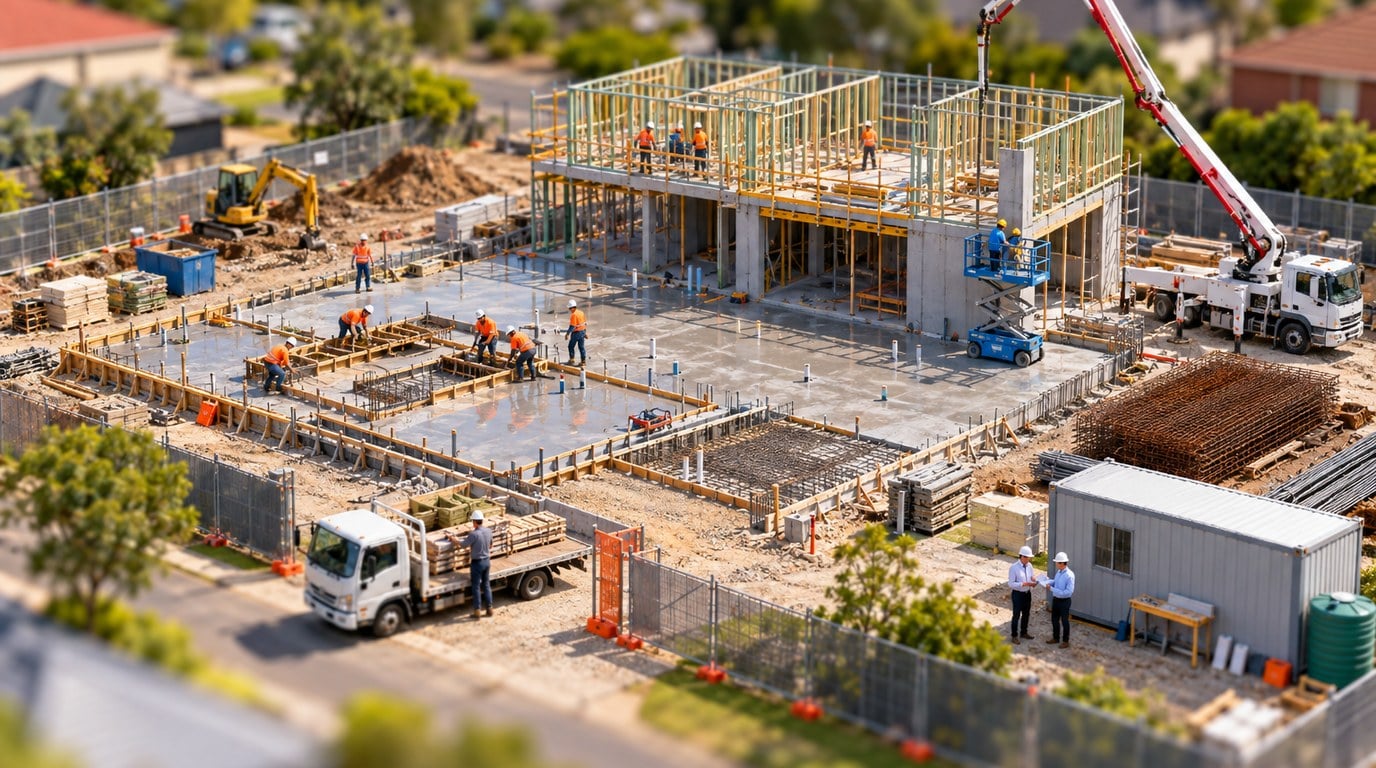
Falls and falling objects are rising. Falls from height have been the second most common cause for three years running. Deaths from falling objects rose from 12 in 2023 to 21 in 2025. Safe Work Australia links both to high construction activity and labour shortages in the trades.
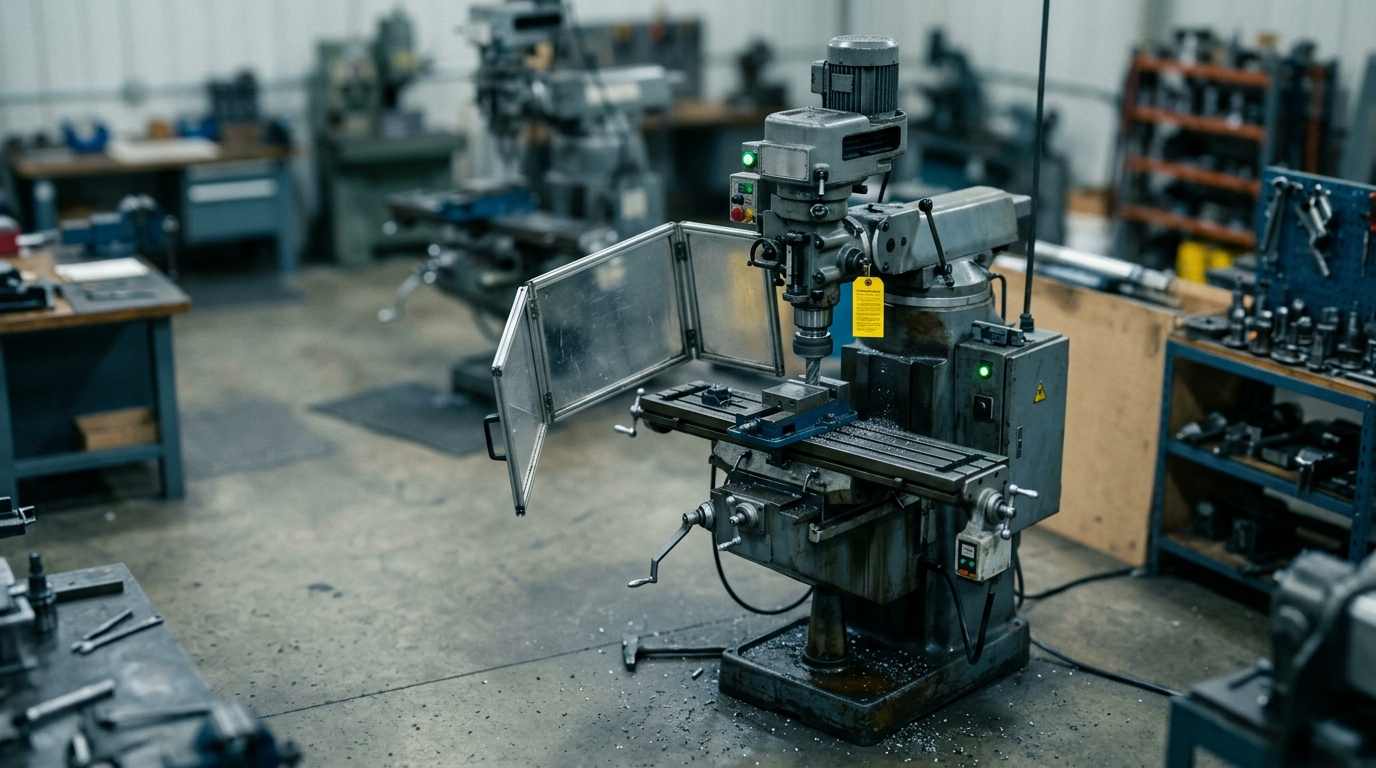
Machinery operators and drivers accounted for 35% of deaths, at almost six times the overall fatality rate.
Older workers carry more of the risk. Workers aged 65 and over had a fatality rate of 5.5 per 100,000, more than three times the national rate.
Mental health claims keep climbing. They made up 12% of serious claims in 2024-25, up 169% over the decade, with a median of 34.8 weeks off work in 2023-24. Our guide to psychosocial hazards covers what the law now expects.
Why “known hazard” deaths keep happening
Most businesses that have a serious incident had the hazard on their risk register. They had a SWMS or a safe work procedure. They had a control listed. What they did not have was a reliable way of finding out, before something went wrong, that the control had drifted: the exclusion zone that was never set up, the harness that was worn but not clipped on, the load that was lifted over people because it was quicker.
That is the difference between a control on paper and a control in the field. Our article on the guard that was switched off walks through a case where exactly that happened, and what a verification regime looks like.
Build critical control verification into your site safety inspections
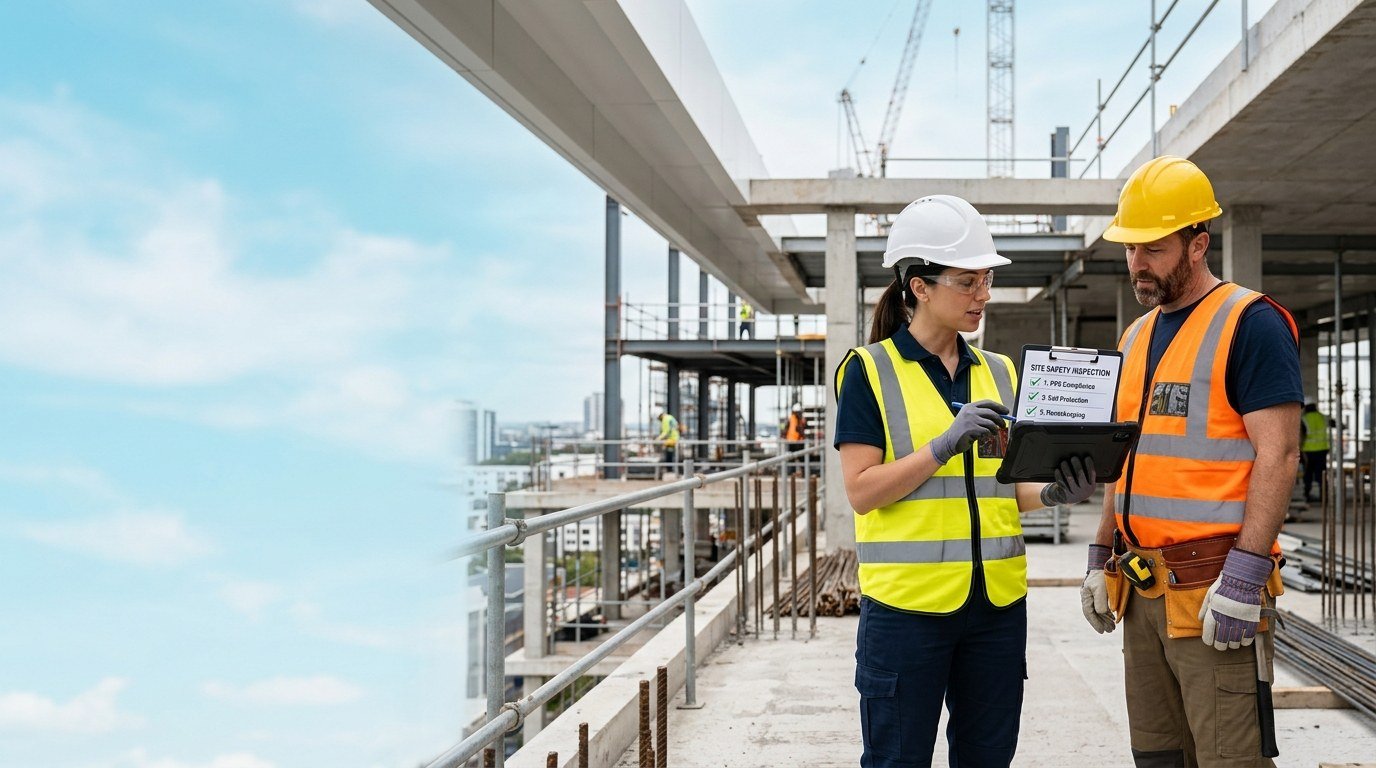
Critical control verification (CCV) does not have to be a separate program. We recommend building it straight into your site safety inspection’s assessment criteria, so every inspection tests the critical controls for the work actually happening that day.
Two criteria do most of the work:
Does the SWMS cover the work activities, identify the hazards and associated risks, and specify appropriate controls? This tests the plan. The inspector compares what is happening on site with what the SWMS says. Is the task on the ground the task in the SWMS? Have the hazards that could kill someone been named? Are the controls specific and at the right level of the hierarchy of controls, or do they rely on “be careful” and PPE?
Are the controls being adhered to? This tests the reality. The inspector looks for each critical control in the SWMS and checks it is in place and working: the exclusion zone is set up, the edge protection is complete, the spotter is actually spotting.
Each criterion is recorded as a pass or fail with a note, and a fail becomes a corrective action with an owner and a date. Over a few months, the inspection records show which controls drift, on which jobs, and with which crews. That is the evidence an auditor, a principal contractor or a regulator will ask for.
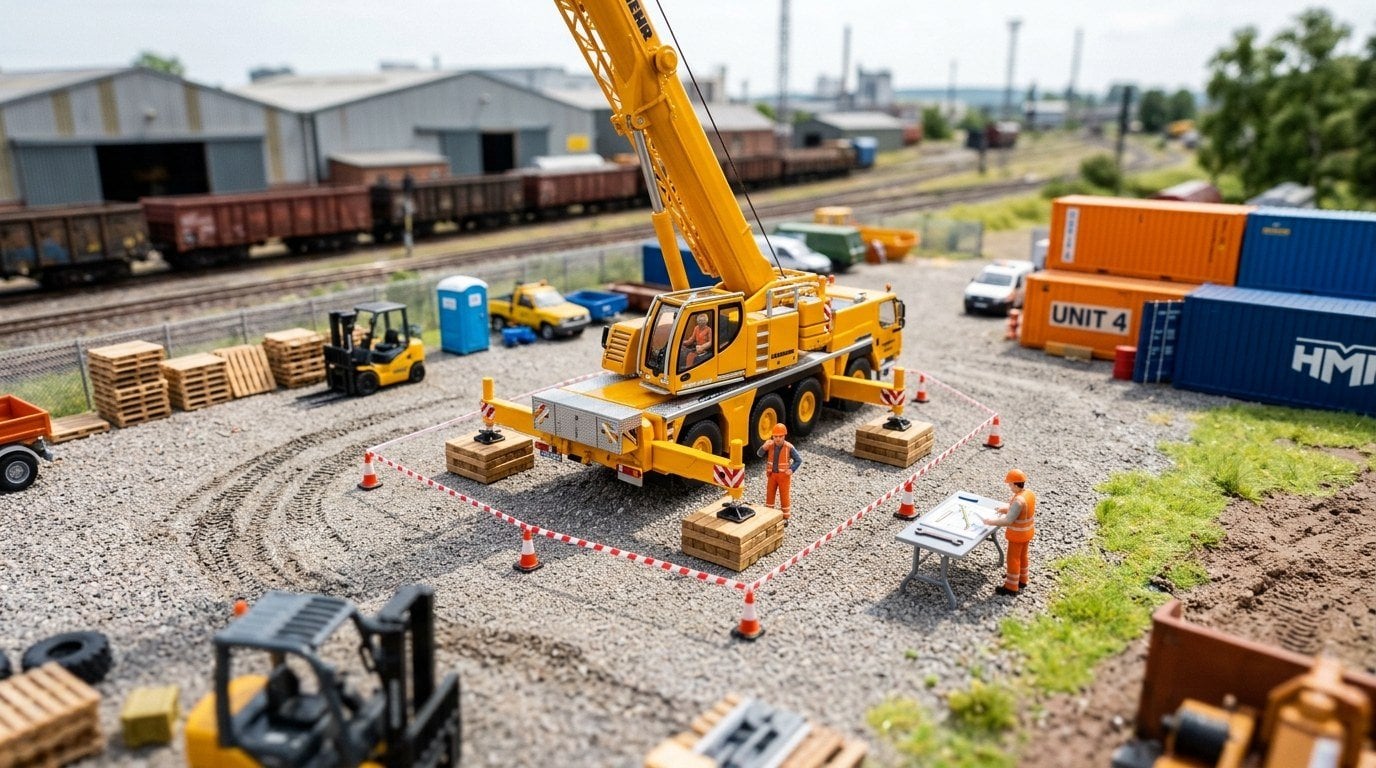
Exclusion zones physically set up, pedestrians separated, spotter in position, operator holds the right licence
Falls from a height
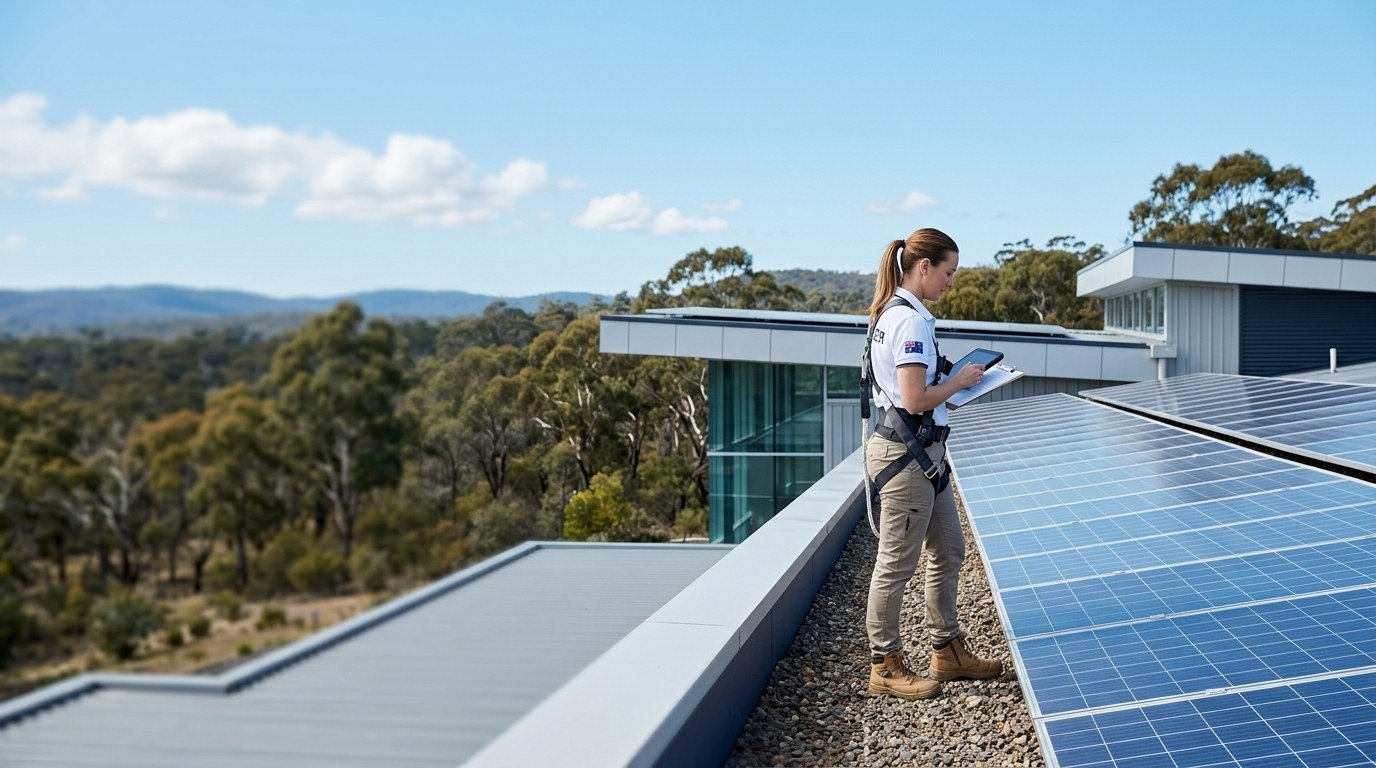
Edge protection, work positioning or fall arrest method, rescue plan, EWP controls
Edge protection complete and secure, harnesses clipped to a rated anchor, EWP pre-start done, rescue equipment on site
Falling objects
Exclusion zones below work, tool tethering, load securing, lifting plan
Area below barricaded, tools tethered, loads secured, nobody under suspended loads
A SWMS is legally required for high risk construction work. Outside construction, the same two questions work just as well against a job safety analysis or safe work procedure.
Where ISO 45001 fits
Clause 6.1.2 requires hazard identification and risk assessment. The data says most organisations get this part broadly right.
Clause 8.1.2 requires controls chosen using the hierarchy of controls.
Clause 9.1 requires monitoring of whether operational controls are working. This is where CCV sits.
Clause 9.2 internal audits should sample inspection records and test whether failed checks led to action.
Clause 10.2 requires incidents and nonconformities, including a failed control check, to be investigated and corrected.
A certified system does not stop a fatality on its own. But an ISO 45001 system that is working properly asks exactly the question Safe Work Australia is asking: not “is the hazard on the register?” but “is the control actually there today?”
What to check this month
Name your critical controls. For each high-risk task, list the few controls whose failure could kill someone.
Add the two criteria to your inspection checklist. Plan (the SWMS) and reality (adherence), recorded as pass or fail.
Look at vehicles and mobile plant first. They caused the most deaths, and they are the area small businesses most often under-control.
Follow up the fails. Every failed check should have an owner, a date and a closed-out action you can show.
Have someone independent look. An internal audit that samples your inspection records will tell you whether the checks are real.
Workplace injury statistics: FAQs
How many workers died at work in Australia in 2025?
222 workers died from traumatic injuries at work in 2025, according to Safe Work Australia’s Key Work Health and Safety Statistics Australia 2026. It is the highest number since 2012.
What is the most common cause of workplace death in Australia?
Vehicle incidents, which caused 41% of worker deaths in 2025. Falls from a height (13%) and being hit by falling objects (9%) were next.
Which industries have the most workplace deaths?
Transport, postal and warehousing (61 deaths), construction (41) and agriculture, forestry and fishing (38). Agriculture had the highest fatality rate, at 13.0 deaths per 100,000 workers.
What is critical control verification?
It is a planned, recorded check that the controls preventing a fatal incident are in place and working, done in the field rather than on paper. Building it into site safety inspections is a practical way to make it routine.
Is a SWMS enough?
A SWMS is a plan. It only protects workers if it covers the work actually being done and its controls are followed. That is why both need checking during inspections.
How Streamline can help
Streamline builds and audits ISO 45001 safety management systems for Australian organisations, and can help you build critical control verification into your site safety inspections. You deal directly with an experienced ISO Lead Auditor. ISO mentoring helps your own people run the system. If you would like a hand, get in touch.
Published 17 October 2026 | Facts checked 17 October 2026 | Next review October 2027, when Safe Work Australia publishes its next annual statistics | Jurisdiction: Australia (model WHS laws, with state and territory differences) | Edition: ISO 45001:2018
General guidance only. This article is general information, not legal, financial, safety or compliance advice, and it does not take account of your specific circumstances. Streamline ISO Consultants are ISO management-system consultants, not lawyers or licensed advisers. Standards, laws and regulator guidance change, and details were correct only at the time of writing. Always seek professional advice before acting. See our full Disclaimer.
Stay in the Loop
Get an email when we post an article. Your email address will not be used for marketing, and you can unsubscribe at any time.
Om nom nom... COOKIES! The essential ones keep our site working, and a few others help us see how it is used so we can make it better. Your call: accept the whole batch, keep it to essentials only, or pick your preferences. The full recipe is in our privacy policy.
Cookie Preferences
Manage your cookie preferences below:
Essential cookies enable basic functions and are necessary for the proper function of the website.
Name
Description
Duration
Cookie Preferences
This cookie is used to store the user's cookie consent preferences.
30 days
You can find more information in our Privacy Policy and .