Louder Is Not More Credible: A Code of Conduct for Consultants and Auditors
Streamline’s Consultant and Auditor Code of Conduct asks practitioners to prioritise objectivity and independence and to refrain from publicly criticising other consultants and auditors.
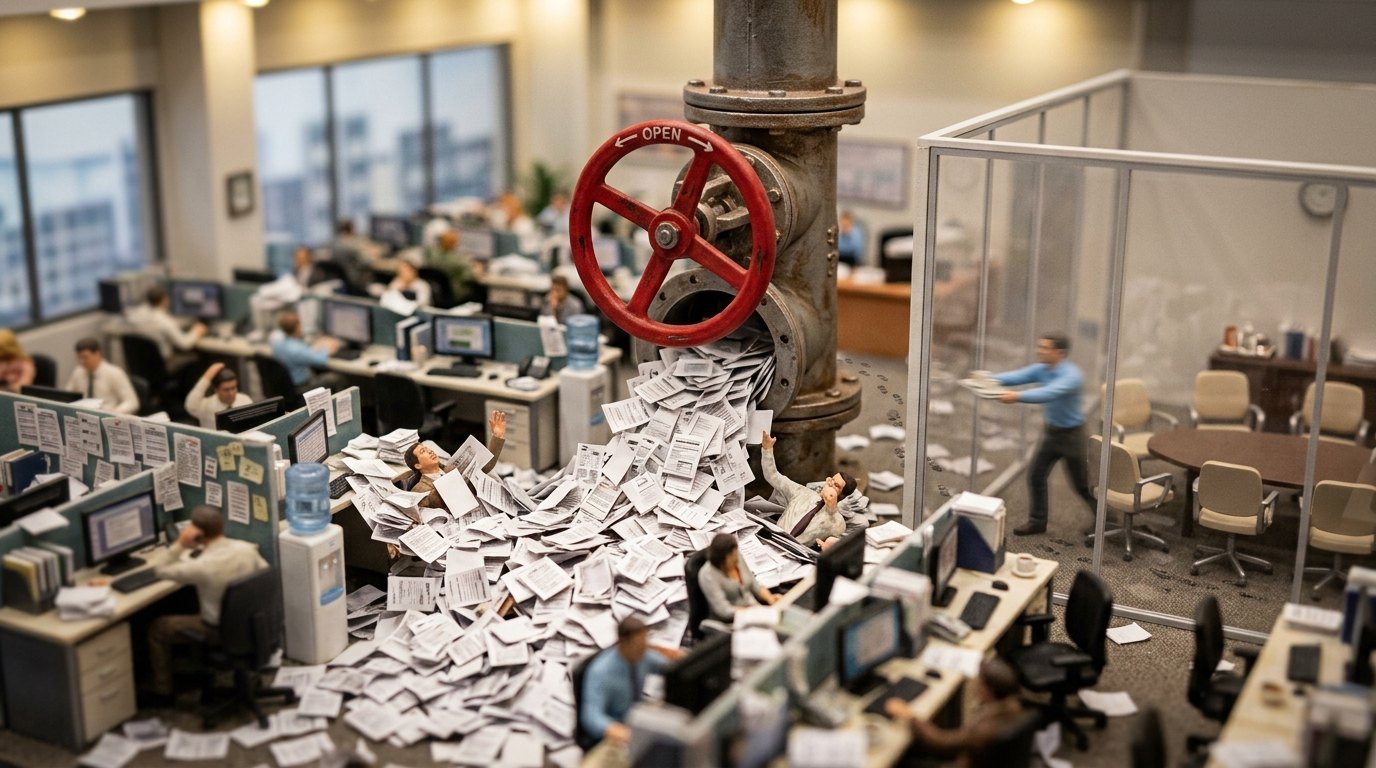
If you spend any time on professional social media, you will have noticed the drift. The feed fills up with self-promotion, recycled hot takes, AI-generated posts dressed up with the same little icons and the same confident cadence, and, every so often, someone building an audience by tearing other people down. It is easy to conclude that the way to get noticed is to be the loudest voice in the room.
In the ISO and management systems world, that instinct is worth resisting. Certification is a trust business. The whole point of a standard, an audit and an accredited certificate is to give a customer confidence that something has been done properly, by someone impartial. Noise does not build that kind of trust. Quiet competence does. And the longer I work in this field, the more convinced I am that the loudest voices are rarely the most credible ones.
What earns trust in this profession
Strip away the theatre and the job comes down to a few unglamorous virtues. A consultant helps a business build a system that genuinely fits how it works and meets the standard, not a padded binder that impresses nobody. An auditor assesses that system objectively, against what the standard actually requires, not against how they personally would have built it. Both keep what they see confidential, tell clients the truth even when it is unwelcome, and treat the people across the table, and each other, with respect.
None of that trends. All of it is what a customer is actually paying for.
So we wrote it down
Rather than complain about the state of the feed, we did the more useful thing and set out, plainly, what good conduct looks like. The result is our Consultant and Auditor Code of Conduct: a short, practical statement of what consultants and auditors in the certification field should expect of themselves and of each other. It sets a plain standard: objectivity, independence and integrity over noise.
Some of it is about competence and independence. An auditor’s assessment must be objective, meaning an unbiased observation based on verifiable facts, not a personal opinion about how the system should look. An auditor who also consults refrains from selling consulting work while wearing the auditor’s hat. Value-add recommendations belong in the report as improvement opportunities, not as offhand verbal comments or, worse, invented nonconformities. These are the details that separate a professional from a performer.
And some of it speaks directly to the noise. One line reads simply: uphold the reputation of the consulting and auditing profession, and refrain from criticism of other consultants and auditors. You can disagree with someone’s work without running them down in public. Holding to that is not weakness. It is the entire basis of a profession that expects to be trusted.
Why independence sits at the heart of it
Most of the Code circles back to one idea: independence. It is the same reason an internal audit has to be objective and impartial, and the same reason an AI-built management system still needs a competent, independent human to check it. An assessment is only worth something if the person making it has nothing to gain from the answer. Everything in the Code, objectivity, confidentiality, avoiding conflicts of interest, resisting the urge to grandstand, protects that one quality.
An invitation
The hope was never that this Code would stay ours. It was that consultants and auditors across the industry would read it, recognise their own standards in it, and put their name to it as a reminder of what the roles are and how they should be carried out. If that describes you, read the Code and consider adding your name. A profession is only as credible as the conduct of the people in it, and that is decided one quiet, professional decision at a time, not in the comments section.
Working with a consultant or auditor, or becoming one? Streamline provides ISO consulting, independent internal audits and mentoring across Australia, held to the standard set out in our Code. Get in touch for a straight, no-noise conversation.
General guidance only. This article is general information, not legal, financial, safety or compliance advice, and it does not take account of your specific circumstances. Streamline ISO Consultants are ISO management-system consultants, not lawyers or licensed advisers. Standards, laws and regulator guidance change, and details were correct only at the time of writing. Always seek professional advice before acting. See our full Disclaimer.
Stay in the Loop
Get an email when we post an article. Your email address will not be used for marketing, and you can unsubscribe at any time.
Om nom nom... COOKIES! The essential ones keep our site working, and a few others help us see how it is used so we can make it better. Your call: accept the whole batch, keep it to essentials only, or pick your preferences. The full recipe is in our privacy policy.
Cookie Preferences
Manage your cookie preferences below:
Essential cookies enable basic functions and are necessary for the proper function of the website.
Name
Description
Duration
Cookie Preferences
This cookie is used to store the user's cookie consent preferences.
30 days
You can find more information in our Privacy Policy and .